ChefMe
Exploration, 2022
Skills: Market Research, Data Modeling, Visual Conceptualization
01. Spark
I have always seen food as an art form and a way people express culture, care, and identity. At the same time, cooking often felt harder than it needed to be. I struggled with what to make, how to combine ingredients, and how not to waste food, even though I cared a lot about eating well.
In parallel, I was following culinary creators online whose relationship with food looked completely different. They treated cooking as craft and storytelling, but I could see that most of their work lived inside social platforms that were not built for teaching, structuring recipes, or supporting them financially.
This raised a question in me:
How might we make creative, healthy home cooking more accessible for everyday people while also better supporting the culinary artists who inspire them?
02. Early hypotheses
For home cooks:
Is home cooking actually a problem for people or just for me?
How big is the gap between wanting to cook and feeling able to do it?
Where exactly do people feel blocked: ideas, skills, time, or confidence?
For creators:
Are culinary creators limited by current platforms in how they share recipes and teach?
Do they want more structured ways to offer meal plans, education, or subscriptions?
Is there a real need for better tools and income streams, or is that just my assumption?
I also considered my own pain points as a starting point:
Difficulty keeping track of what is in my fridge before food goes bad
Low confidence in pairing ingredients or understanding proportions
Little intuition around timing and preparation methods
Seeing interesting ingredients at the store but not knowing how to use them
Fear of “wasting” food by experimenting and ruining a dish
These reflections helped me form an initial hypothesis:
Many people want to cook creatively but feel blocked by lack of intuition, guidance, or time.
But I needed real-world input to validate or break this.
03. Field Research: talking to home cooks
I went to a local grocery store and interviewed shoppers about their cooking habits and frustrations.
Key insight:
People were not struggling to cook well, they were struggling to cook at all.
The dominant theme was lack of time, not creativity or knowledge of ingredient.
This challenged my initial assumption.
04. Creator Research: talking to culinary influencers
Because part of my early idea involved supporting food creators, I reached out to creators directly with a long, transparent message outlining my intent and asking about their aspirations, pressures, and challenges.
I got little to no interest, with initial responders going cold after first couple message exchanges.
More signal that my assumption were off base.
05. Attempting to Define Value: MVP exploration
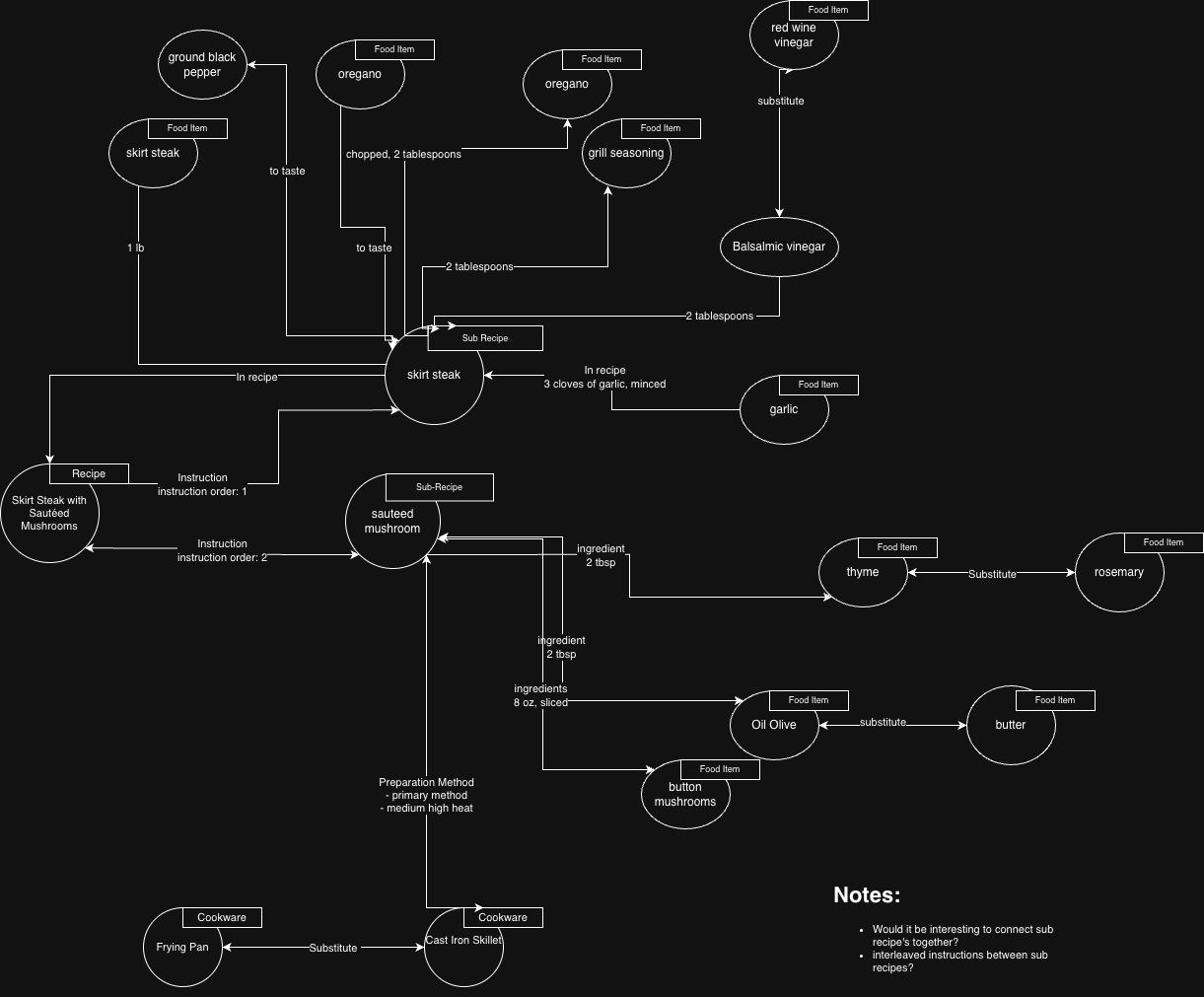
In the midst of waiting for responses, I still wanted to test the core ideas so I drafted a lightweight MVP centered on structured discovery and guidance:
MVP capabilities considered:
Input ingredients → receive possible recipes
Filter by equipment owned and preparation style
Sort by time commitment
Sort by active effort required
This was an exploration into what “useful guidance” could look like if creativity were the barrier.
06. Visual Prototyping
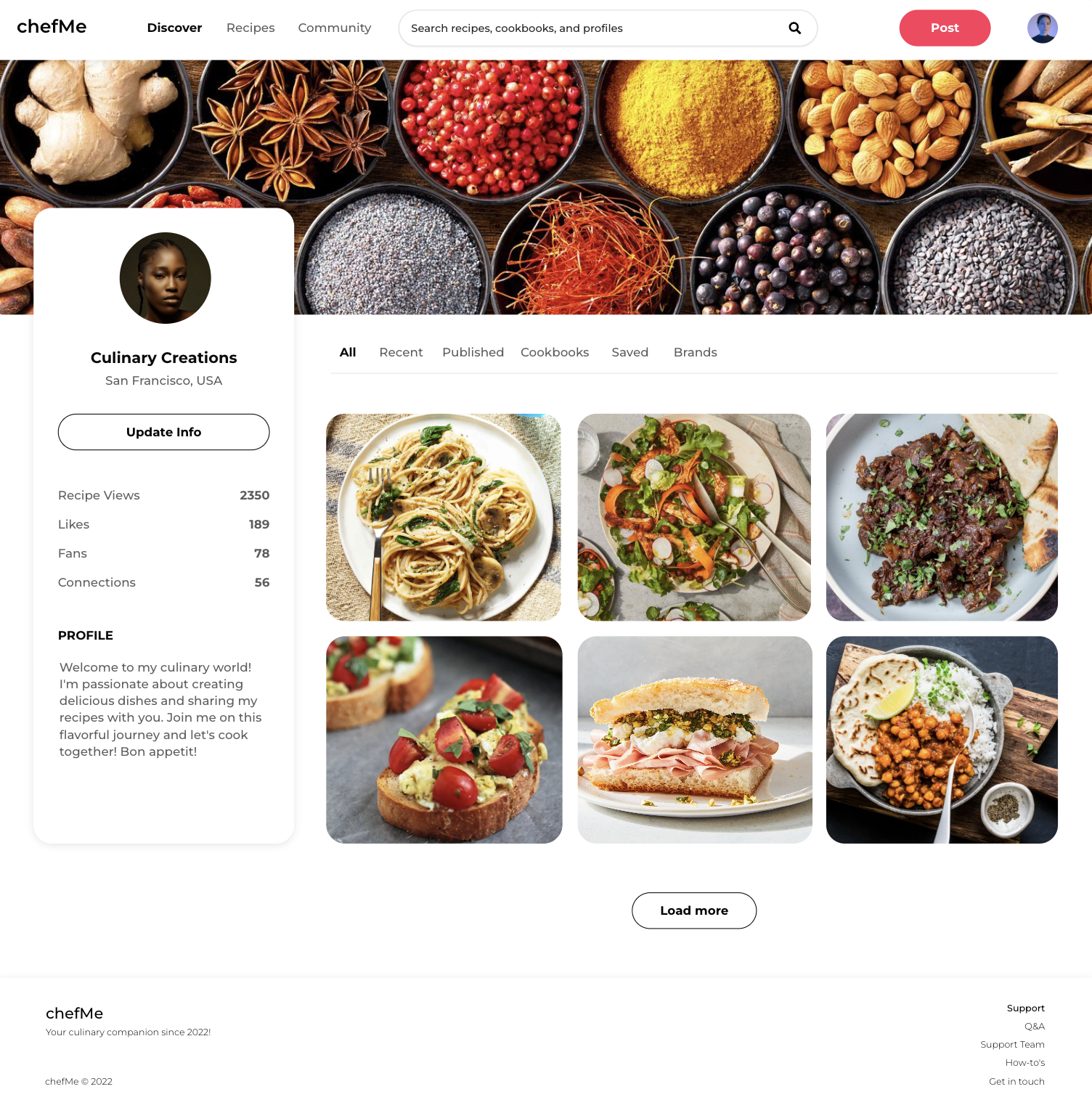
Out of inspiration I created a mock UI of what the platform could look, for user.
It’s purpose: to help ground the idea in what it might feel like to use the platform.
07. Reflection
My initial problem was not the dominant problem for most people
Creators were not seeking the kind of support I envisioned
The technical design of a “cooking intuition platform” was far more complex than the value it seemed to unlock
In the end, it was not a idea that was worth pursuing, but left me with a lot experience gathering input and conceptualizing.